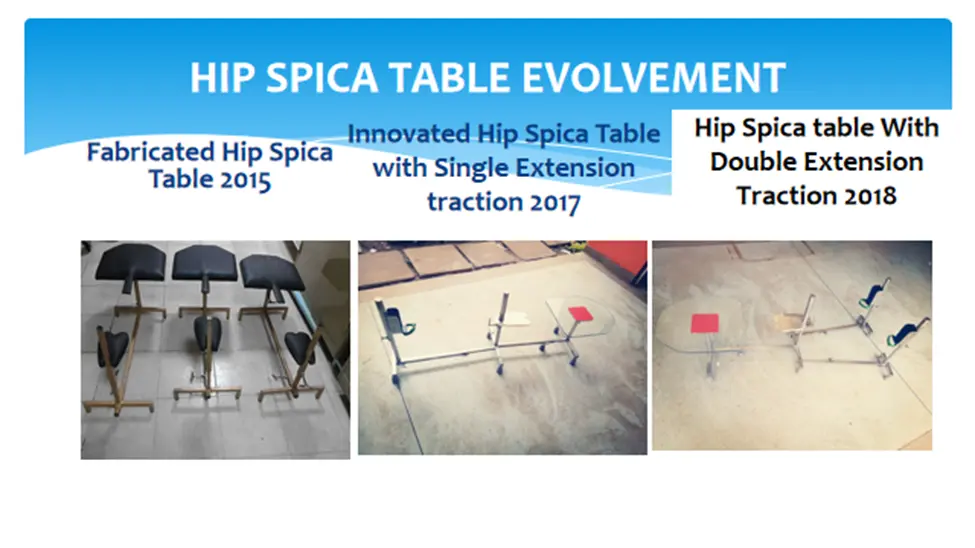
Using engineering innovation to improve healthcare in Kenya
 Zacharia tells us how he came up with an idea that set a milestone for the improvement of health care in his country and how his innovation was awarded the Order of Grand Warrior (OGW) from the President of Kenya.
- Can you tell us where the idea for your project came from?
I am an orthopaedic technician with more than 15 years of experience. I work for the primary referral facility in East and Central Africa, Kenyatta National Hospital. During my time, I have always observed children who come into the hospital seeking care with fractures, especially femur, unable to get the quality treatment they need. Deformities were becoming many; hospital admissions and subsequent care costs were significant. The methods of management that were being used were mainly improvised tables and jerrycans, which required approximately six healthcare professionals to apply cast on a single patient without being sure whether alignment was effective. I was taken aback by all this and started thinking of how more straightforward equipment can control all these challenges in a healthcare setting, especially in low-resource settings. That’s how the idea for this project was conceived.
- How has your innovation been received and awarded in your country?
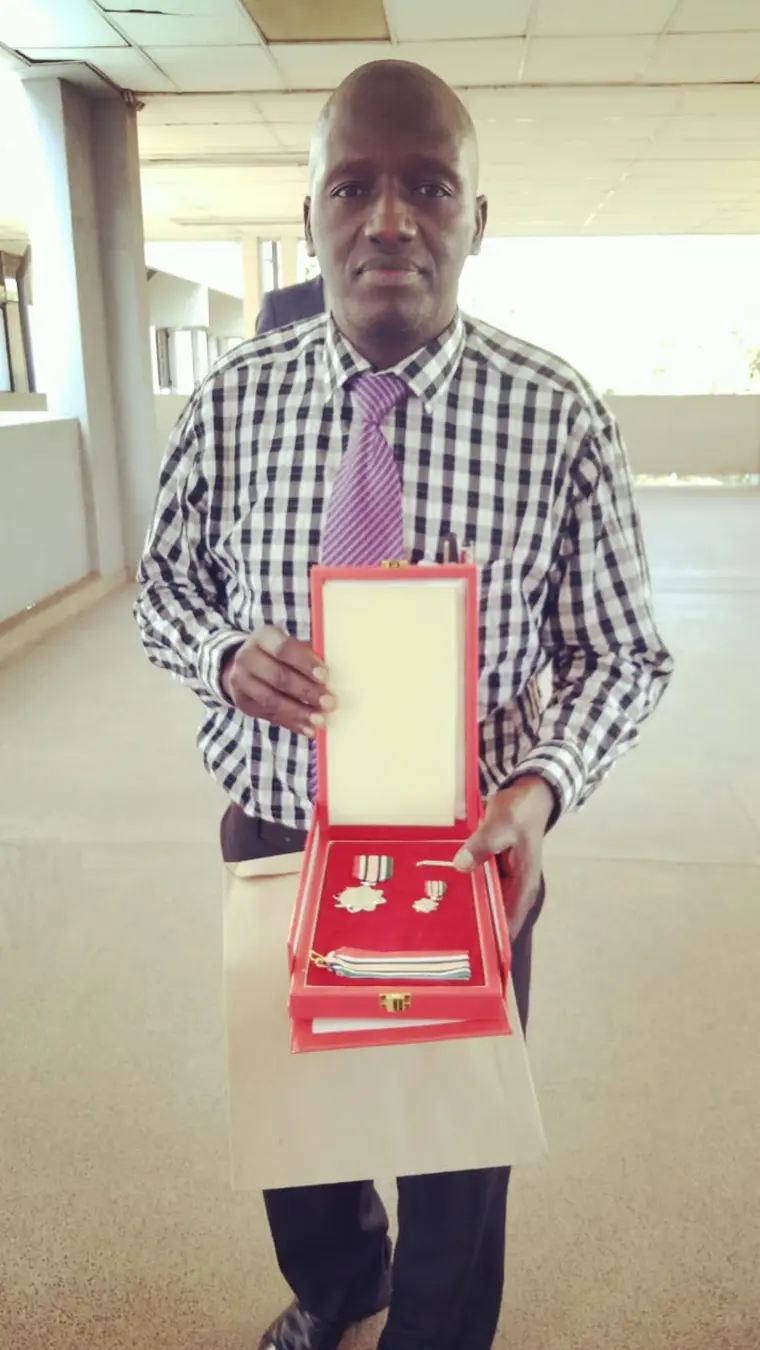
My innovation has been overwhelmingly received in my country, leading to various recognitions from the Kenya Innovation Agency, the hospital I work for, and recognition from the president when I was awarded the Order of Grand Warrior (OGW). I have also held numerous interviews with our local daily newspapers and appeared on features on national television stations in the country to showcase the innovation and improvement in the delivery of quality healthcare to children.

- How have you benefitted from the LIF program and the community support?
The LIF program has been my springboard and has catapulted me and my innovation to new heights, which I never envisioned when I started. The LIF program and the community are close-knit families where I have always received the support I wanted. I still believe that they will continue holding my hand as I continue to improve on this innovation to simplify and add more mechanisms that focus on ease delivery of care.
- Do you have any advice to share with LIF alumni who might want to set up businesses in the health sector?
The health sector is so diverse, and I would urge any LIF alumni to identify a gap and build a robust platform that addresses an issue within their setting. There are so many gaps in healthcare, and identifying and focusing on a specific area is essential to having a successful business in healthcare.
- What are the next steps in your project?
My next step is to roll out the production phase of my innovation and prioritizes rural and slum areas where care delivery is poor, and there are no resources. I also seek to diversify my innovation and reach other low-income countries struggling to manage fractures among children.